Maintaining Commercial Flat Roofs in Severe Weather
For real estate investors and commercial property managers, a flat roof is a significant capital investment that requires constant protection. In the Capital Area, managing commercial properties means going head-to-head with some of the most intense weather conditions in the country. From blistering summer heat to sudden, torrential afternoon thunderstorms, the environment is constantly testing the limits of your building's exterior.
When a commercial roof fails, the consequences extend far beyond a simple repair bill. Water intrusion can disrupt your tenants' business operations, damage valuable inventory, and create serious safety hazards. Unlike residential steep-slope roofs, flat commercial roofing systems require a unique approach to maintenance, drainage, and inspection. A proactive strategy is the only way to maximize the lifespan of your roof and protect your return on investment.
At Vicknair Roofing, we understand that you need reliable, long-term solutions that keep your properties secure and your maintenance costs predictable. By understanding the common vulnerabilities of flat roofing systems and implementing a robust maintenance routine, you can mitigate the risks associated with our extreme climate and ensure your commercial properties remain watertight year-round.
Understanding Material Performance: TPO vs EPDM Roofing High Humidity
Choosing the right material is the first step in defending your commercial building against the elements. Two of the most common single-ply membrane options for flat roofs are TPO (Thermoplastic Polyolefin) and EPDM (Ethylene Propylene Diene Terpolymer). While both are industry standards, they perform very differently under severe environmental stress.
EPDM has been used for decades and is essentially a highly durable synthetic rubber. It is incredibly flexible and handles structural movement well. However, traditional EPDM is dark in color, which means it absorbs a massive amount of solar heat. In our region, this constant heat absorption can accelerate the aging process of the membrane and significantly increase the cooling costs for your building.
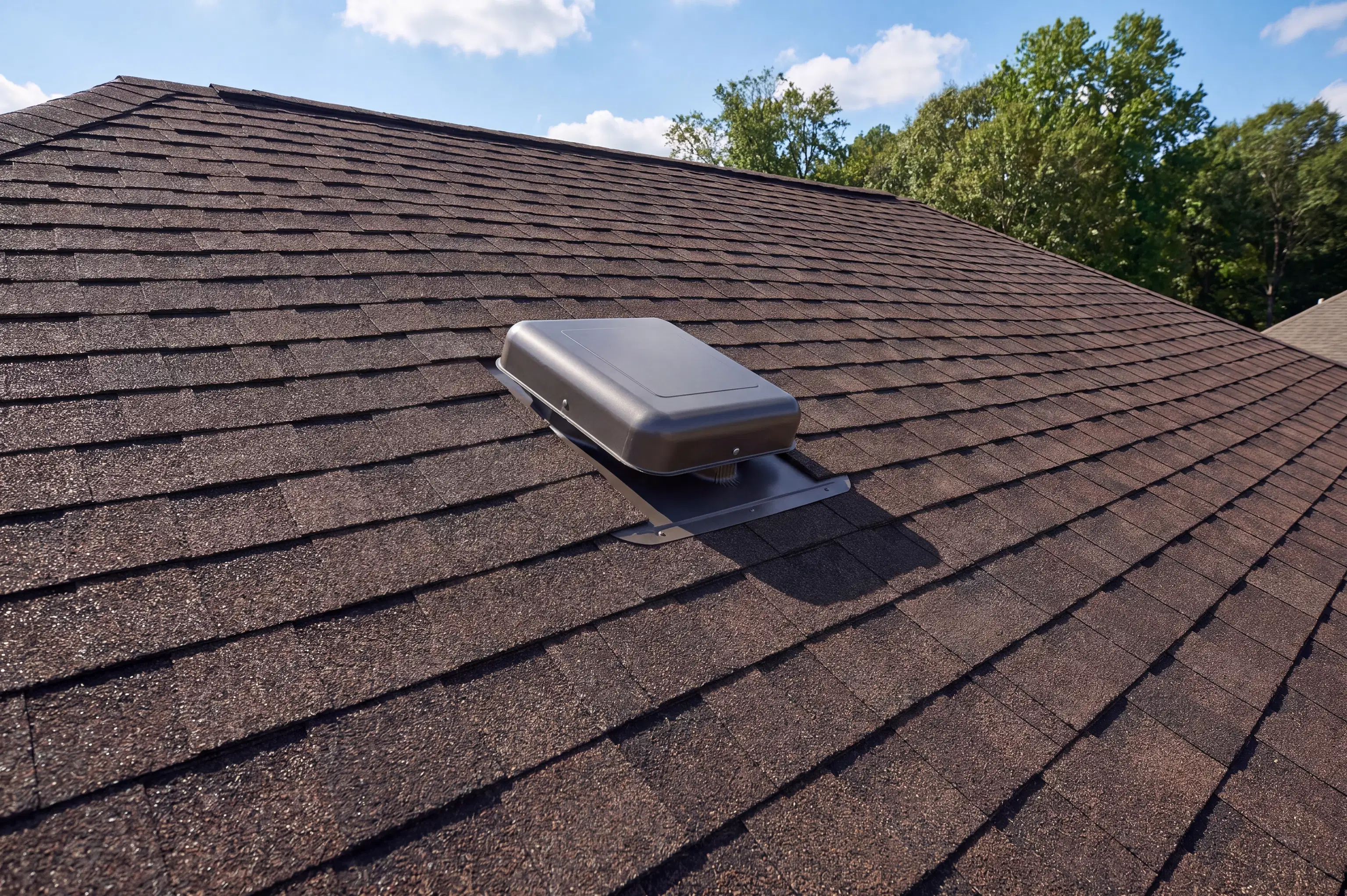
On the other hand, TPO has become increasingly popular for local properties, and for good reason. When evaluating tpo vs epdm roofing high humidity environments, TPO often comes out ahead. It features a bright white, reflective surface that bounces UV rays away from the building. This energy-efficient characteristic is vital for combating the intense summer sun, helping to lower utility bills and reduce the strain on commercial HVAC units. Furthermore, TPO membranes feature hot-air welded seams, which create a solid, monolithic layer across the roof. In an environment where South Louisiana humidity and constant moisture are daily realities, these welded seams provide superior resistance to mold, algae, and water intrusion compared to the taped or glued seams often used with EPDM systems.
If you are considering an upgrade or need specialized Commercial Roofing installation, selecting a material designed to resist high heat, intense humidity, and severe wind uplift is a critical business decision.
Your Essential Commercial Flat Roof Maintenance Checklist
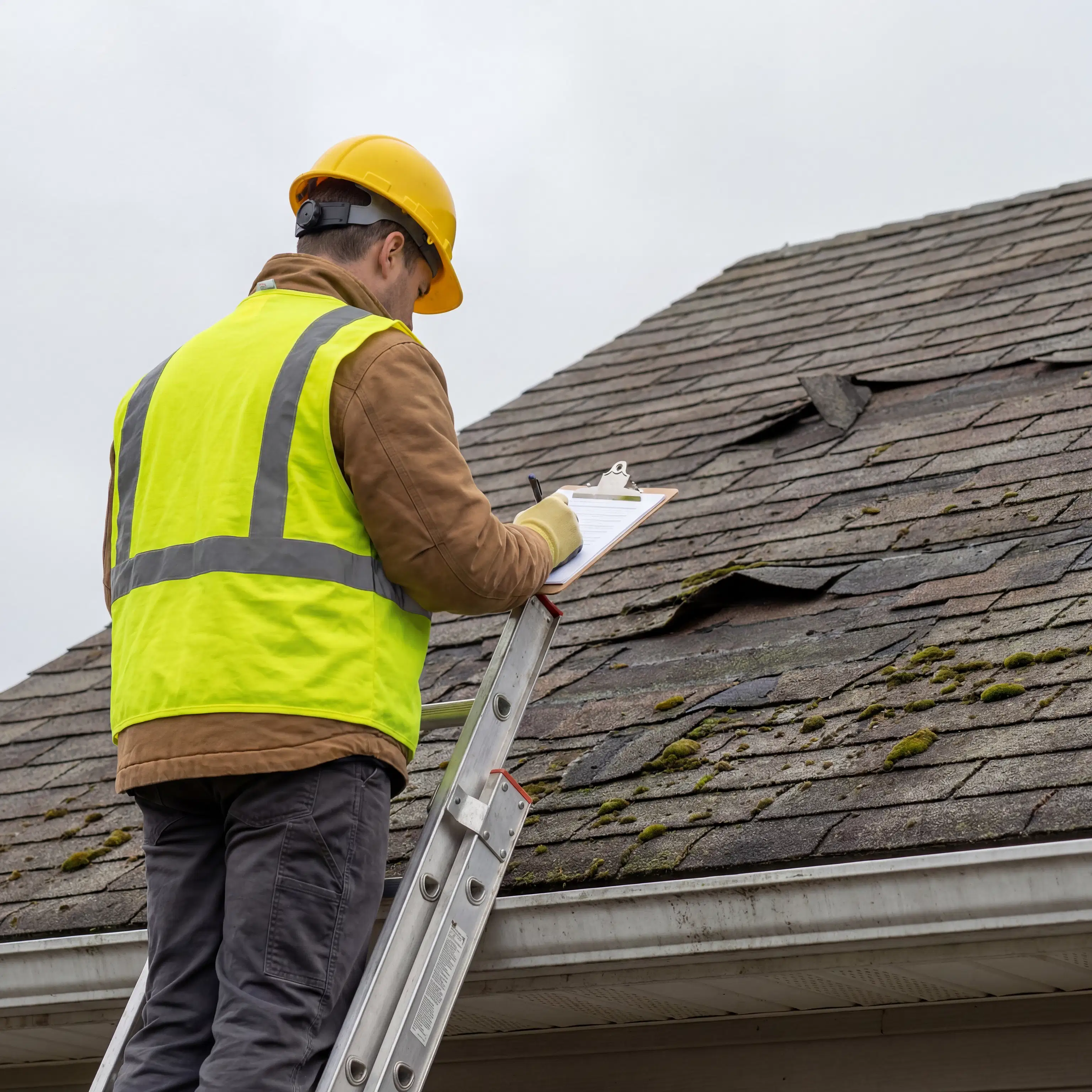
Even the highest quality roofing materials will degrade prematurely without consistent upkeep. Establishing a comprehensive commercial flat roof maintenance checklist is the most effective way to identify minor issues before they escalate into catastrophic failures. Property managers should schedule professional inspections at least twice a year—ideally in the spring before the intense summer heat, and in the fall after the primary threat of severe weather has passed.
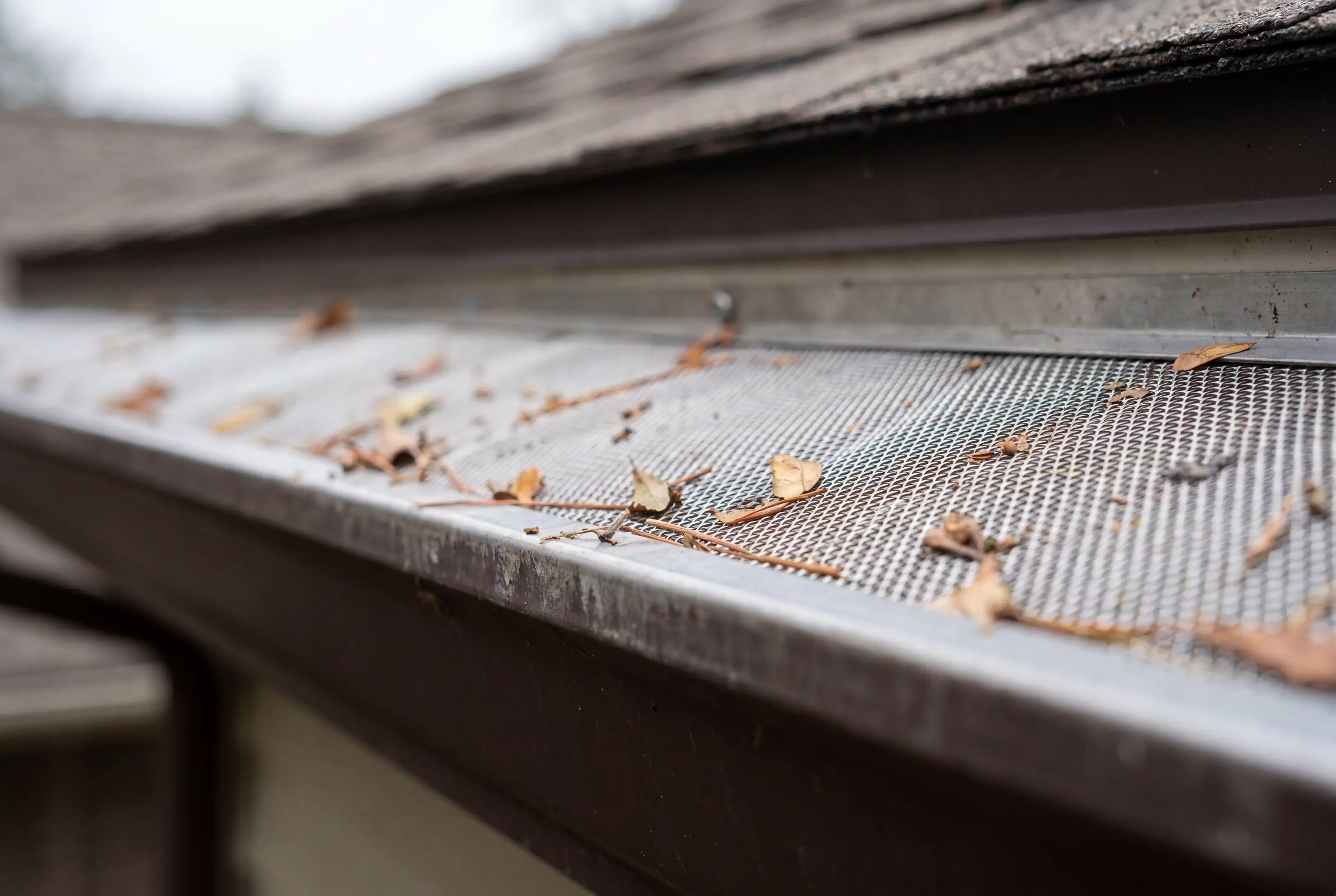
First, focus on drainage. Flat roofs are not entirely flat; they have a slight pitch to direct water toward scuppers, gutters, and internal drains. Debris such as leaves, branches, and everyday dirt can quickly clog these drainage points. When drains are blocked, water has nowhere to go. Ponding water—defined as water that remains on a roof for more than 48 hours after a rainstorm—adds immense structural weight and rapidly breaks down the roofing membrane.
Next, thoroughly examine all roof penetrations and flashings. The areas around HVAC units, vents, skylights, and pipes are the most common starting points for leaks. The expansion and contraction caused by extreme temperature fluctuations can cause the sealants around these penetrations to crack or pull away over time.
Finally, inspect the membrane itself for signs of physical damage. Look for blistering, cracking, or tears in the material. High winds can blow debris across the roof surface, causing small punctures that are barely visible to the naked eye but are large enough to let water seep into the underlying insulation. Modern roofing technology, such as drone inspections, allows professionals to quickly and safely assess these expansive flat surfaces, identifying hidden moisture or structural anomalies without disrupting your tenants below.
Preventing Commercial Roof Leaks During Heavy Rain
When sudden, severe weather strikes, preparation pays off. Preventing commercial roof leaks during heavy rain is entirely dependent on the maintenance work done during dry conditions. However, even with the best preparation, extreme weather events can cause unexpected damage.
If a severe thunderstorm or hurricane impacts your property, immediate action is required. Once it is safe to do so, a post-storm inspection should be conducted to check for wind uplift, torn membranes, or impact damage from flying debris. If you discover an issue, securing emergency roof leak repair swiftly is essential to minimize interior water damage and prevent mold growth within the building envelope.
Unfortunately, major weather events often bring a flood of out-of-state storm chasers looking to capitalize on vulnerable property owners. These transient companies often promise quick fixes but lack the proper licensing, insurance, and long-term warranties required to protect your business. They frequently perform subpar work and disappear long before the flaws in their installation become apparent. It is crucial to rely on established, reputable local contractors who understand the stringent building codes and wind-resistance standards required in our area.
Navigating the complex insurance claims process after a major storm can also strain your operational cash flow and test your patience. Working with a contractor who has deep local roots and extensive experience documenting storm damage will streamline the claims process, ensuring you receive the funds necessary to properly restore your asset.
Your commercial properties deserve dependable protection and expert care. By prioritizing routine maintenance and partnering with professionals who understand the unique demands of our climate, you can extend the life of your roof and safeguard your real estate investments. If your property is due for an inspection or you want to discuss long-term maintenance strategies, reach out to Vicknair Roofing in East Baton Rouge Parish. Visit our Contact Us page to schedule a comprehensive evaluation today.